
One Tool for Every Kind of Gravel
Pea gravel, river rock, crushed stone, decomposed granite — every gravel type weighs a different amount per cubic yard, and suppliers sell by the yard or the ton. That means a volume number alone is not enough: the same 5 cubic yards can weigh anywhere from about 6.5 to 7.5 tons depending on what you are ordering. Guess wrong and you either run short or overpay on delivery.
This free gravel calculator handles all of it. Pick your gravel type from the selector — the tool applies the right density automatically — then enter your area’s length, width, and depth. It returns cubic yards, cubic feet, tons, and pounds, adds a waste allowance (default 10%) for compaction and spillage, and estimates your cost if you enter a price per ton. Rectangles and circles are both supported, so it works for driveways, paths, parking pads, and drainage beds alike.
Estimated cost
| Step | Volume | Weight |
|---|---|---|
| Base volume (exact fit) | – | – |
| Waste allowance (–) | – | – |
| Order quantity | – | – |
Weight is estimated with the density of the selected gravel type. Actual density varies by quarry, stone size, and moisture — confirm with your supplier before placing a large order.
How to Use This Calculator
- Pick your shape. Choose Rectangle for driveways, paths, and pads, or Circle for round areas — the inputs switch automatically.
- Enter your measurements. Type the length and width (or diameter) in feet and the depth in inches. Measure the finished area you will cover.
- Select your gravel type. This is what makes the tool work for any gravel — crushed stone, pea gravel, river rock, or decomposed granite — each with its own density.
- Set the waste allowance. It starts at 10%, the standard for compaction, spillage, and uneven ground. Raise it on irregular or uncompacted bases.
- Add a price per ton (optional). Enter your supplier’s bulk price to get an instant cost estimate.
- Click Calculate Gravel. The headline shows cubic yards with waste included; below it you get cubic feet, tons, pounds, and a step-by-step breakdown.
What Is Gravel Used For?
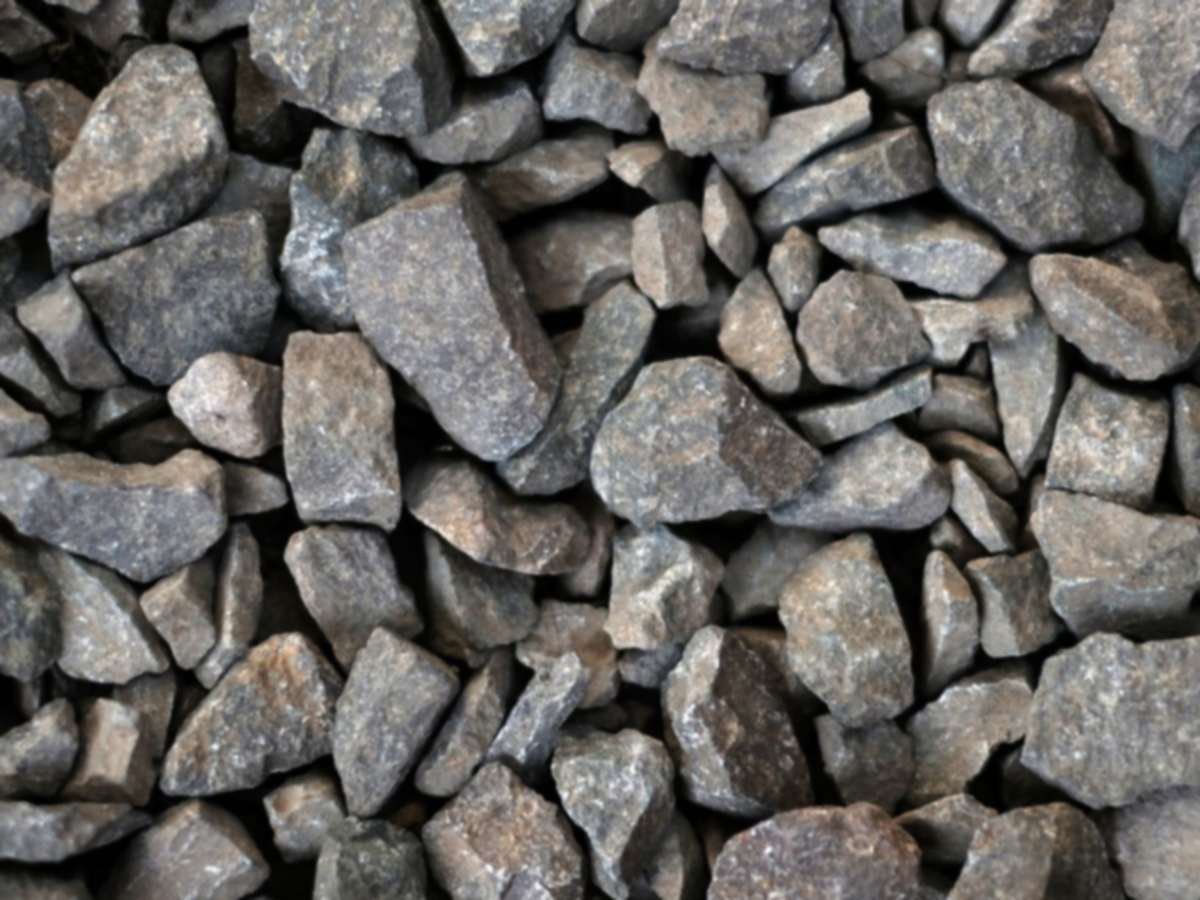
Gravel is crushed or naturally worn stone in pieces roughly from sand-sized up to a few inches across. Its job depends on the project: as a wearing surface it gives you a firm, drainable layer you can drive or walk on; as a base it spreads load so structures and pavements above do not sink; and as drainage fill it lets water pass through instead of pooling.
The key property is the stone’s shape. Angular crushed stone has sharp faces that lock together under pressure, which is why it stays put under car tires. Rounded stones like pea gravel and river rock do not lock — they shift — which makes them better for decorative beds, drainage, and comfortable walking paths where a soft surface is the point. The type selector in the calculator exists because of this: different shapes pack differently, so they weigh differently per yard.
The Formula (With a Worked Example)
Tons = cubic yards (with waste) × density of the selected gravel type
Pounds = tons × 2,000
Worked example. A 40 ft × 12 ft driveway at 4 inches deep, crushed stone (1.45 tons per cubic yard), 10% waste:
- Area = 40 × 12 = 480 sq ft
- Cubic yards = (480 × 4) ÷ 324 ≈ 5.93 yd³
- Add 10% waste: 5.93 × 1.1 ≈ 6.52 yd³ to order
- Tons = 6.52 × 1.45 ≈ 9.45 tons
- Pounds = 9.45 × 2,000 = 18,900 lb
The calculator above runs this same sequence for any of the four gravel types.
Common Gravel Types and Their Density
This is the table the calculator is built on. If your supplier quotes a different density for their material, trust theirs — real density varies by quarry and moisture.
| Gravel type | Tons per yd³ | Best for |
|---|---|---|
| Crushed stone (angular) | ~1.45 | Driveways, road bases, parking pads — locks together under load |
| Pea gravel (rounded) | ~1.30 | Paths, patios, play areas — comfortable and decorative |
| River rock (large, rounded) | ~1.30 | Drainage beds, borders, dry creek beds |
| Decomposed granite (fine) | ~1.35 | Garden paths and patios — compacts into a firm surface |
How Deep Should Gravel Be?
| Project | Depth | Notes |
|---|---|---|
| Garden paths | 2–3 in | Lay over landscape fabric; edging keeps it contained |
| Patios and seating areas | 2–3 in | Needs a compacted base underneath for stability |
| Driveways (light vehicles) | 4–6 in | Compact in lifts; use angular crushed stone, not rounded gravel |
| Drainage trenches | Full trench depth | Rounded rock lets water move freely through the voids |
Tips for Ordering Gravel
- Match the stone to the job. Driveways need angular crushed stone that locks together; rounded pea gravel migrates under tires and should stay on paths and beds.
- Compact in layers. For driveways, spread and compact the gravel in 2–3 inch lifts rather than dumping the full depth at once — you get a much firmer surface.
- Always add for compaction. Loose gravel settles about 10% once compacted and watered in — that is why the calculator’s default waste allowance is 10%.
- Put fabric under paths, not always under driveways. Landscape fabric under garden paths stops weeds and sinking; under a heavy driveway it can interfere with compaction — ask your supplier what works locally.
- Get delivery quotes in writing. Gravel is cheap; hauling is not. Compare the delivered price per ton from two or three local quarries, and confirm the truck can reach your site.
- Order rounded up. Suppliers deliver in whole or half yards — a project needing 6.5 yards should order 7, because a second small delivery costs nearly as much as the first.
Gravel Coverage Chart: What a Ton and a Yard Actually Cover
Suppliers talk in tons and yards; projects are measured in square feet. This chart bridges the two at this calculator’s crushed-stone density (1.45 tons per cubic yard). One cubic yard always covers 324 ÷ depth in inches:
| Depth | 1 cubic yard covers | 1 ton covers |
|---|---|---|
| 1 inch | 324 sq ft | 223 sq ft |
| 2 inches | 162 sq ft | 112 sq ft |
| 3 inches | 108 sq ft | 74 sq ft |
| 4 inches | 81 sq ft | 56 sq ft |
| 6 inches | 54 sq ft | 37 sq ft |
Lighter gravels stretch slightly further per ton: pea gravel at about 1.30 tons per yard covers roughly 83 sq ft per ton at 3 inches instead of 74. When in doubt, quote your supplier’s density — quarries vary more than the math does.
More Construction Tools
Frequently Asked Questions
How do I calculate how much gravel I need?
Multiply length × width (feet) × depth (inches) and divide by 324 for cubic yards, then multiply by the gravel type’s density for tons, and add about 10% for compaction waste.
How many tons of gravel are in a cubic yard?
It depends on the type: crushed stone is about 1.45 tons per cubic yard, pea gravel and decomposed granite about 1.30–1.35, and river rock about 1.30. Always confirm with your supplier, since quarry and moisture affect the number.
Which gravel type should I use for a driveway?
Angular crushed stone. Its sharp faces lock together under tire pressure and stay in place. Rounded gravel like pea gravel shifts and ruts under vehicles, so it belongs on paths and beds instead.
How deep should a gravel driveway be?
Four to six inches of compacted crushed stone over a firm, well-drained base. Spread and compact it in 2–3 inch lifts rather than all at once.
What is the difference between crushed stone and pea gravel?
Crushed stone is mechanically broken, so its faces are angular and lock together — ideal for driveways and bases. Pea gravel is naturally rounded and smooth, so it shifts easily — better for paths, patios, and decoration.
How much area does one ton of gravel cover?
At the common 1.45 tons-per-yard density, one ton covers roughly 60–70 sq ft at 4 inches deep, or 80–95 sq ft at 3 inches. Lighter gravel types cover slightly more per ton.
Should I put landscape fabric under gravel?
Yes under garden paths and beds — it stops weeds and keeps gravel from sinking into the soil. Under heavy driveways it can interfere with compaction, so check with your local supplier first.
Do I need to add extra for compaction?
Yes. Plan on about 10% extra — loose gravel compacts down as it is spread, watered, and driven on. The calculator includes a 10% waste allowance by default.
How much gravel do I need for a 12×20 driveway?
A 12×20 driveway is 240 sq ft. At the standard 4-inch base depth: 240 × 4 ÷ 324 = 2.96 cubic yards, which at 1.45 tons per yard for crushed stone is about 4.3 tons. Add the calculator’s 10% waste allowance and order roughly 3.3 yards, or about 4.7 tons, to cover compaction and spillage.
How many bags of gravel equal a ton?
About 40 bags. The standard retail gravel bag holds 0.5 cubic feet and weighs roughly 50 lb, and a ton is 2,000 lb, so 2,000 ÷ 50 = 40 bags. Bags make sense for small patches; past half a ton, bulk delivery is almost always cheaper per pound.