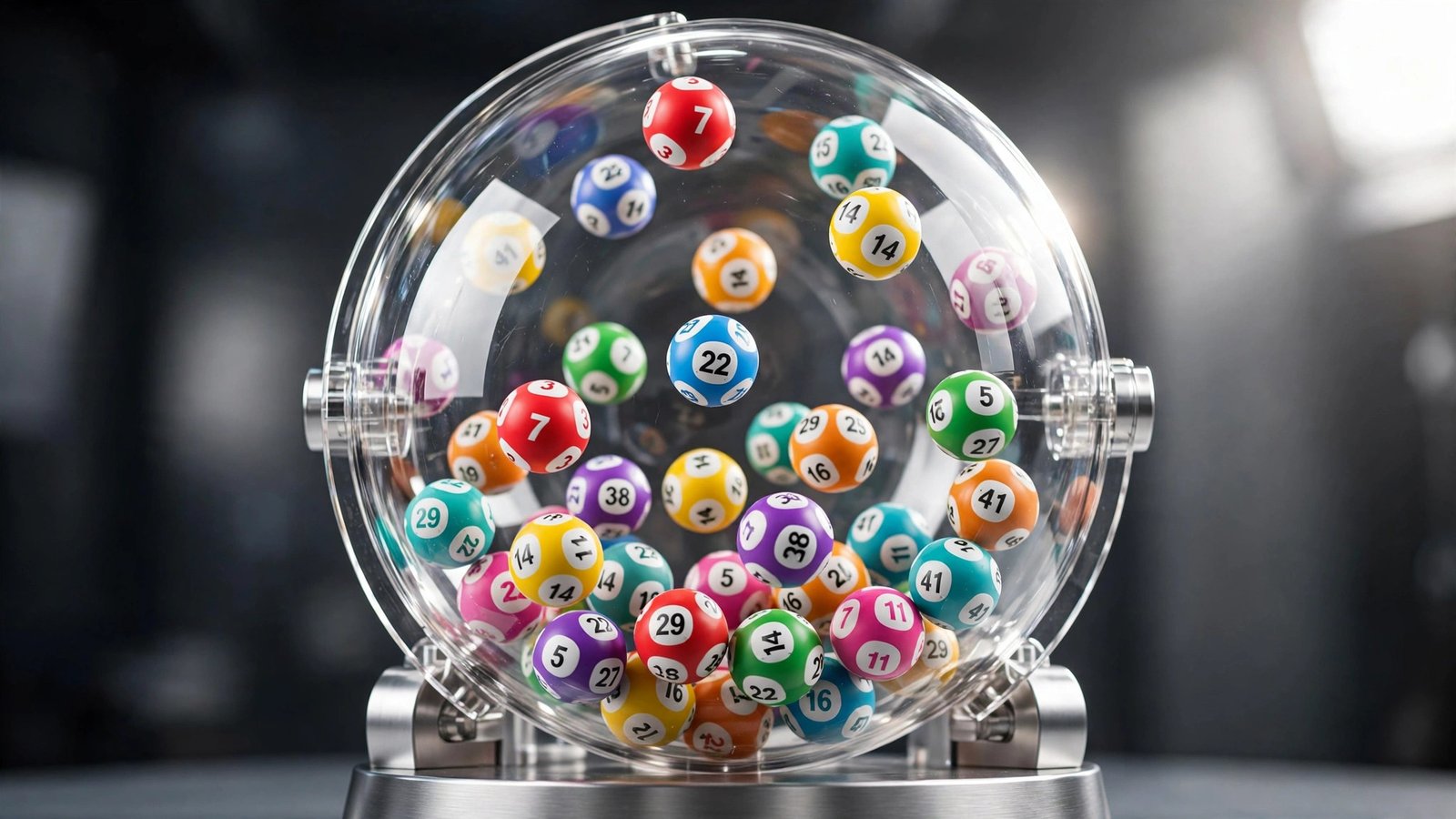
Fair Picks in One Click
Raffle winners, classroom cold-calls, fantasy drafts, PIN ideas — whenever humans pick, bias sneaks in. This free random number generator removes it: set any range, draw up to 500 numbers, choose whether duplicates are allowed, sort the results, and copy them with one tap.
Every integer in your range has exactly equal probability on every draw. No signup, no tracking — the numbers are generated privately in your browser.
Uniform integers · No signup
Please check your inputs: minimum must be below maximum, count between 1 and 500 — and without duplicates, count cannot exceed the size of the range.
Your random numbers
Uses your browser’s built-in random generator — perfectly fair for games, raffles, classroom picks and giveaways. Not suitable for cryptography, gambling systems or anything where money depends on unpredictability.

How to Use the Generator
- Set the range. Minimum and maximum are both inclusive — 1 to 100 gives 100 possible numbers.
- Choose how many numbers to draw (up to 500) and whether duplicates are allowed. Uncheck duplicates for lottery-style draws where each number can appear only once.
- Sort optionally low-to-high (great for lottery tickets) and hit Copy numbers to paste results anywhere.
Common Setups
| Use case | Min | Max | Count | Duplicates |
|---|---|---|---|---|
| Raffle winner (100 tickets) | 1 | 100 | 1 | Yes |
| 6/49 lottery ticket | 1 | 49 | 6 | No |
| 4-digit PIN, no repeats | 0 | 9 | 4 | No |
| Dice (d20) | 1 | 20 | 1 | Yes |
| Randomize 30 students | 1 | 30 | 30 | No |
Who Uses Random Numbers
- Teachers picking students fairly for questions, teams and presentation order.
- Giveaway hosts drawing winners transparently in front of an audience.
- Gamers rolling dice, generating encounters and shuffling draft orders.
- Developers & testers creating sample data sets quickly.
The Math Behind a Fair Draw
Each draw follows result = minimum + floor(random × (maximum − minimum + 1)), with a fresh uniform value between 0 and 1 — so every integer in your range gets exactly the same chance, and none is favoured. One quirk surprises people: draw 10 numbers from 1–100 with duplicates allowed and there is already about a 37% chance at least two match — the birthday-problem effect.
Frequently Asked Questions
Is this random number generator truly random?
It uses your browser’s cryptographic-quality random source, uniformly distributed across your range. It is perfectly fair for games, raffles and sampling — just not for cryptography or gambling systems, which need audited hardware randomness.
How do I generate a random number between 1 and 100?
Set minimum 1, maximum 100, count 1, and press Generate. That is the default setup when the page loads.
What does “allow duplicates” mean?
With duplicates allowed, the same number can appear twice (like rolling dice). Without duplicates, each number is drawn at most once (like lottery balls) — so the count cannot exceed the range size.
Can I generate lottery numbers?
Yes — set your lottery’s range (e.g. 1–49), count 6, uncheck duplicates, and sort low to high. Remember every combination is equally unlikely; the generator can’t improve your odds.
How do I make a random 4-digit PIN?
Min 0, max 9, count 4. Uncheck duplicates if you don’t want repeated digits. For a real PIN, avoid obvious patterns like 1234.
Why do I sometimes see the same number twice in a row?
That is exactly what randomness looks like — humans expect random sequences to “look” spread out, but true randomness clusters. If you don’t want repeats, uncheck duplicates.
How many numbers can I generate at once?
Up to 500 in a single draw. For a no-duplicates draw, the count also cannot exceed the size of your range.
Final Thoughts
Randomness is one of the few things computers do better than people — we are pattern machines, and patterns are the opposite of fair. Let the generator pick, and nobody can argue with the result.
Try our average calculator for means of data sets.